Saints of the Catholic Church
Browse by first letter or search by name. 249 profiles, with feast day and related novena, when available.
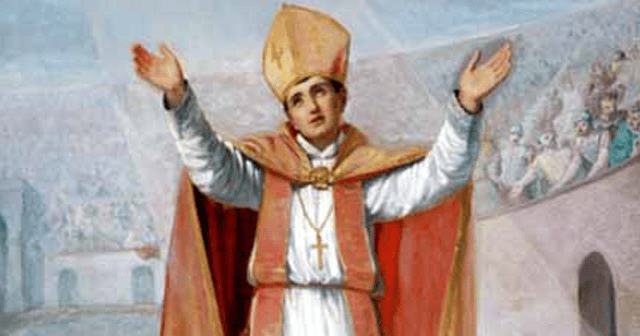
Saint Felix of Nola
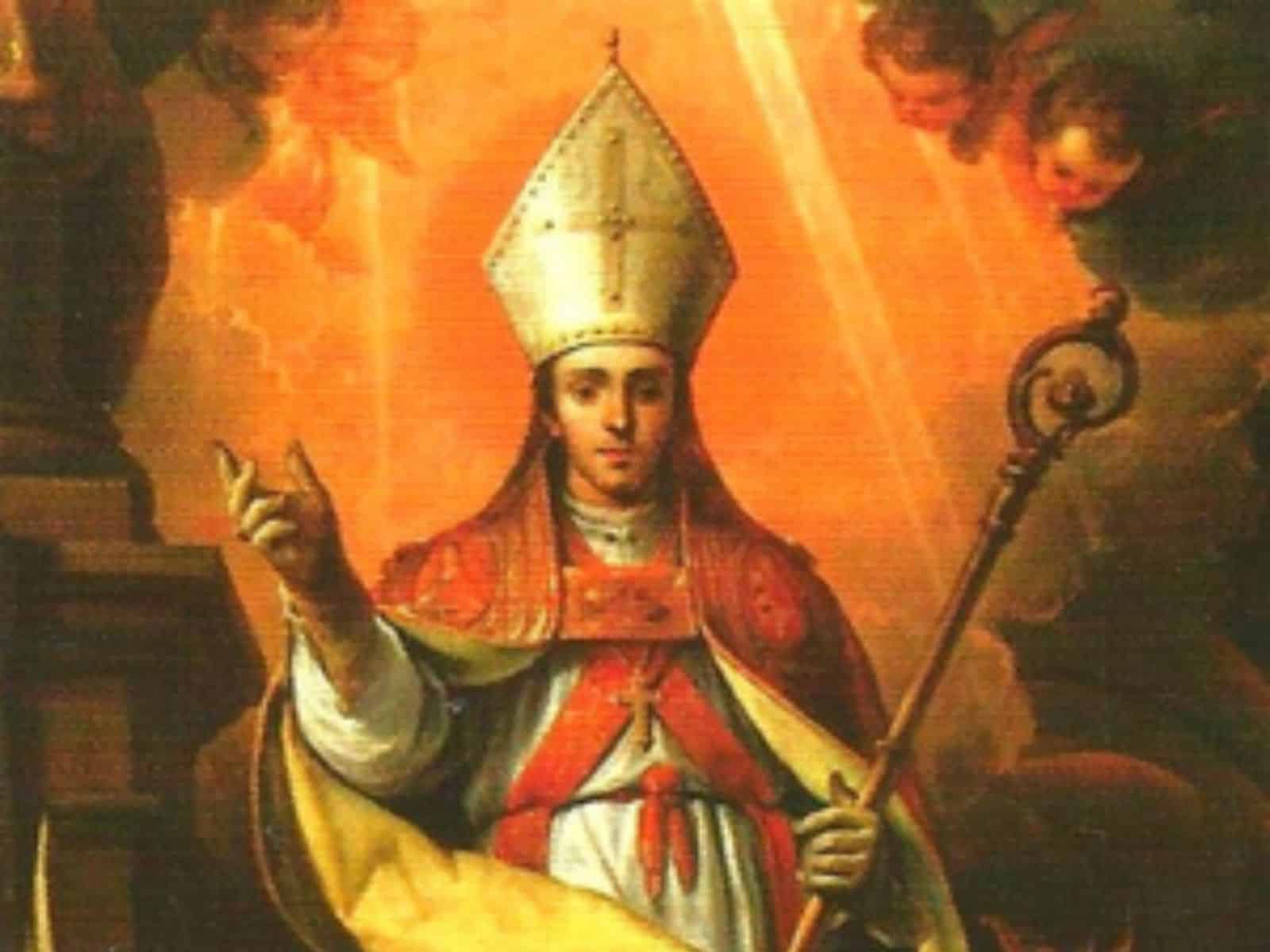
Saint Fermin of Amiens
Saint Filipina Rosa Duchesne
Saint Francis de Sales
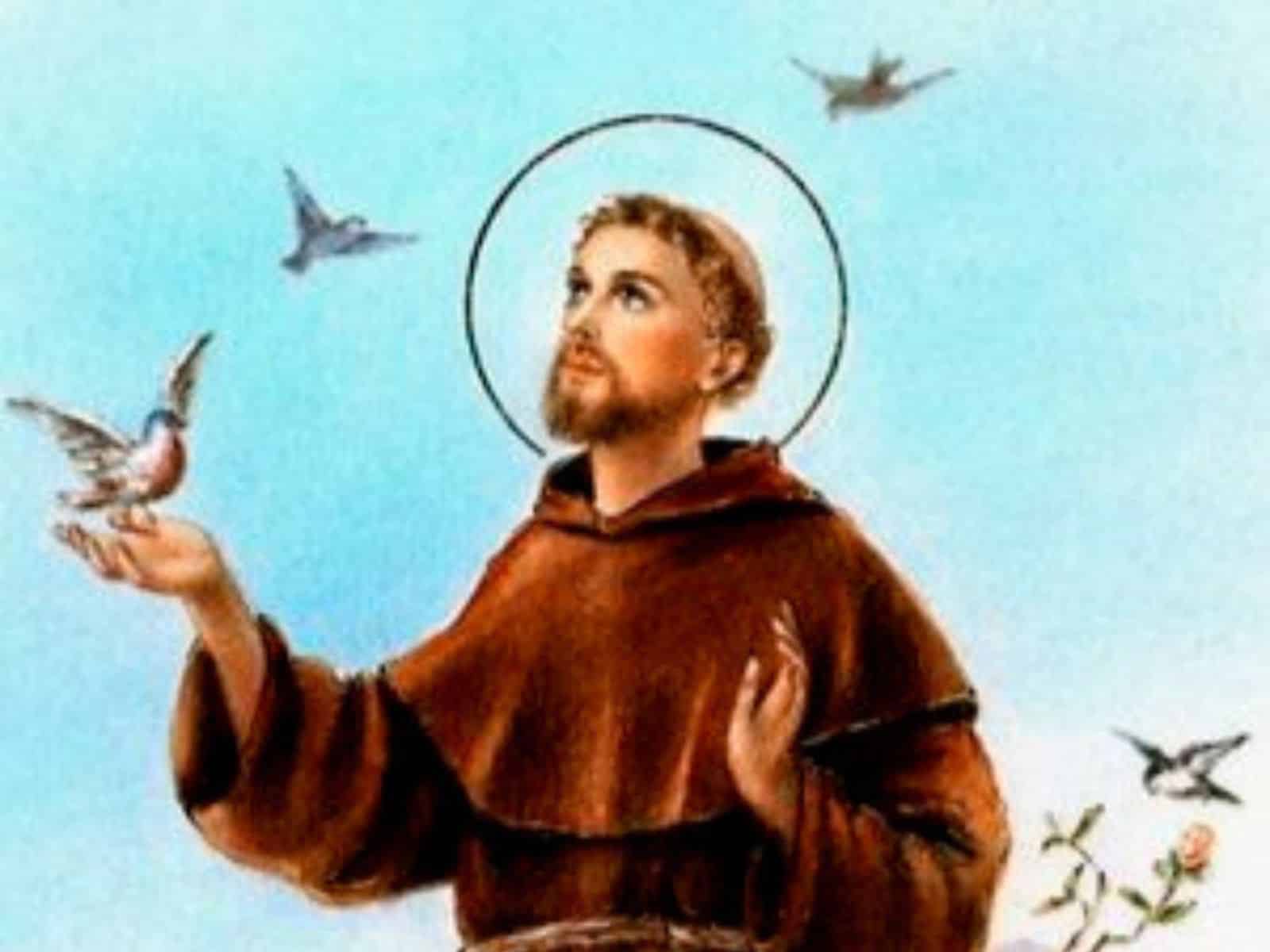
Saint Francis of Assisi

Saint Francis of Jerome
Saint Francis Romana

Saint Frumentius
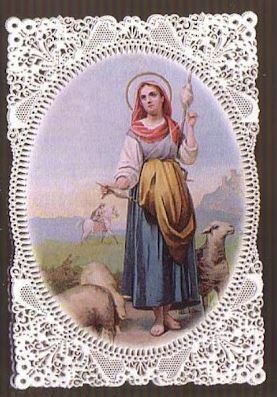
Saint Gem of Goriano Sicoli, virgin
Saint Genoveva
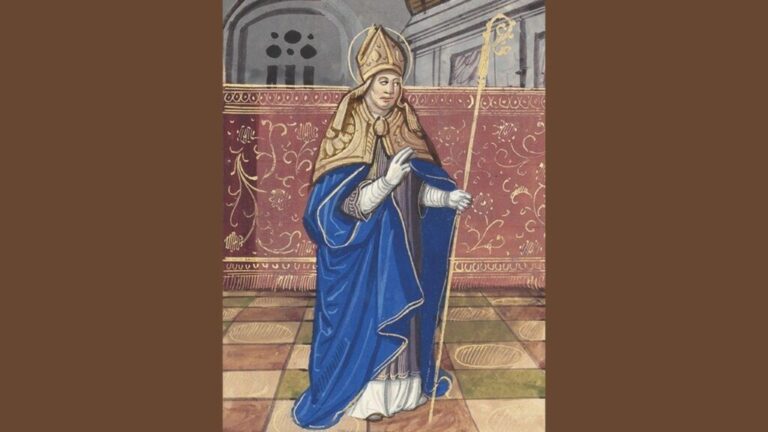
Saint German of Paris
Saint Germanicus, martyr
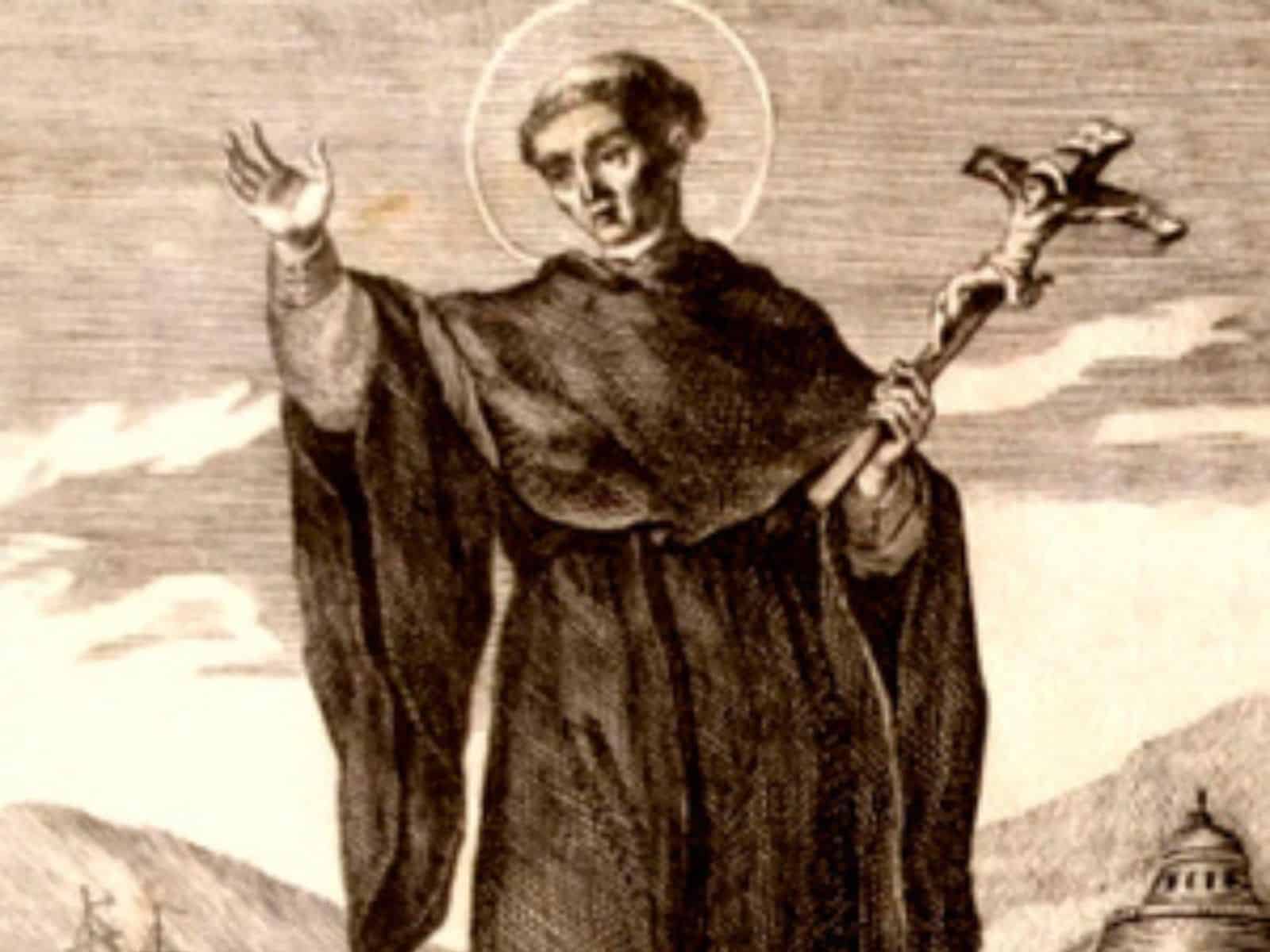
Saint Gonçalo de Lagos
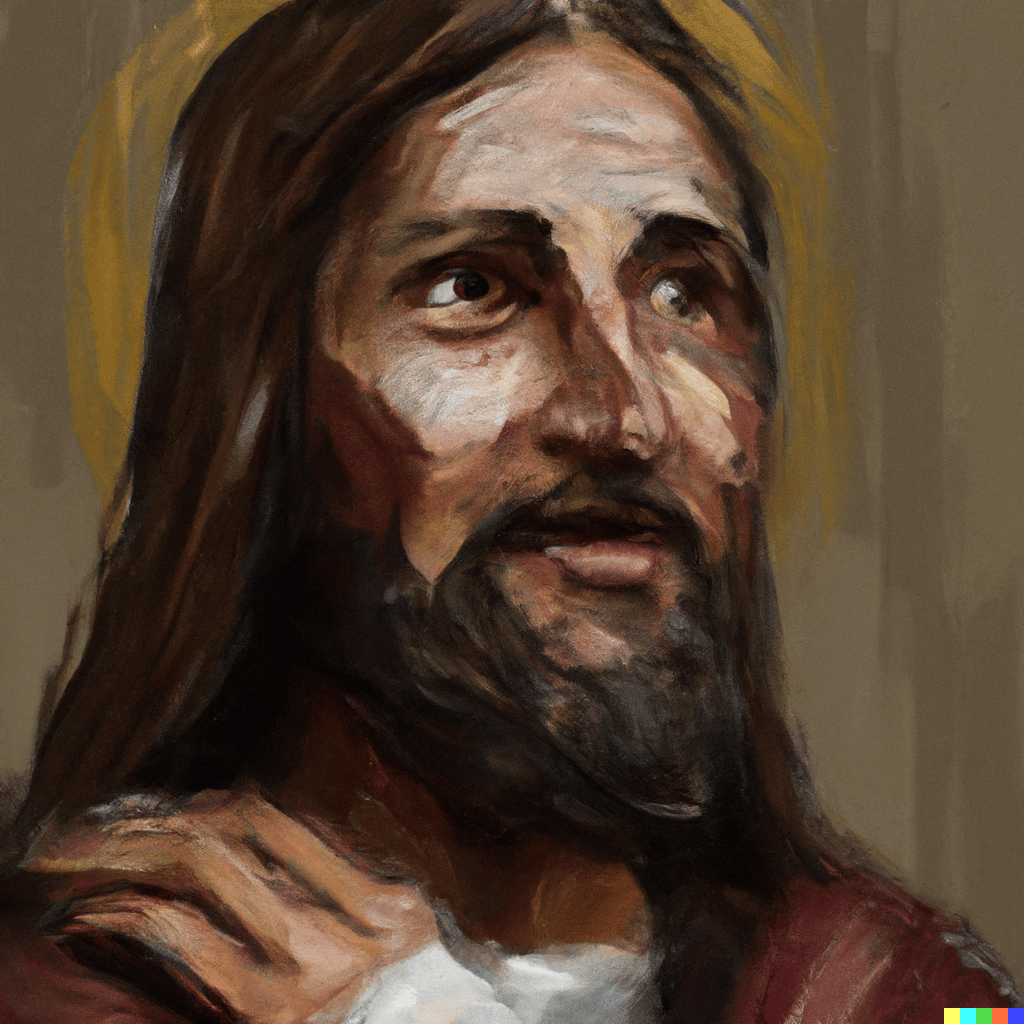
Saint Gregory Nazianzen
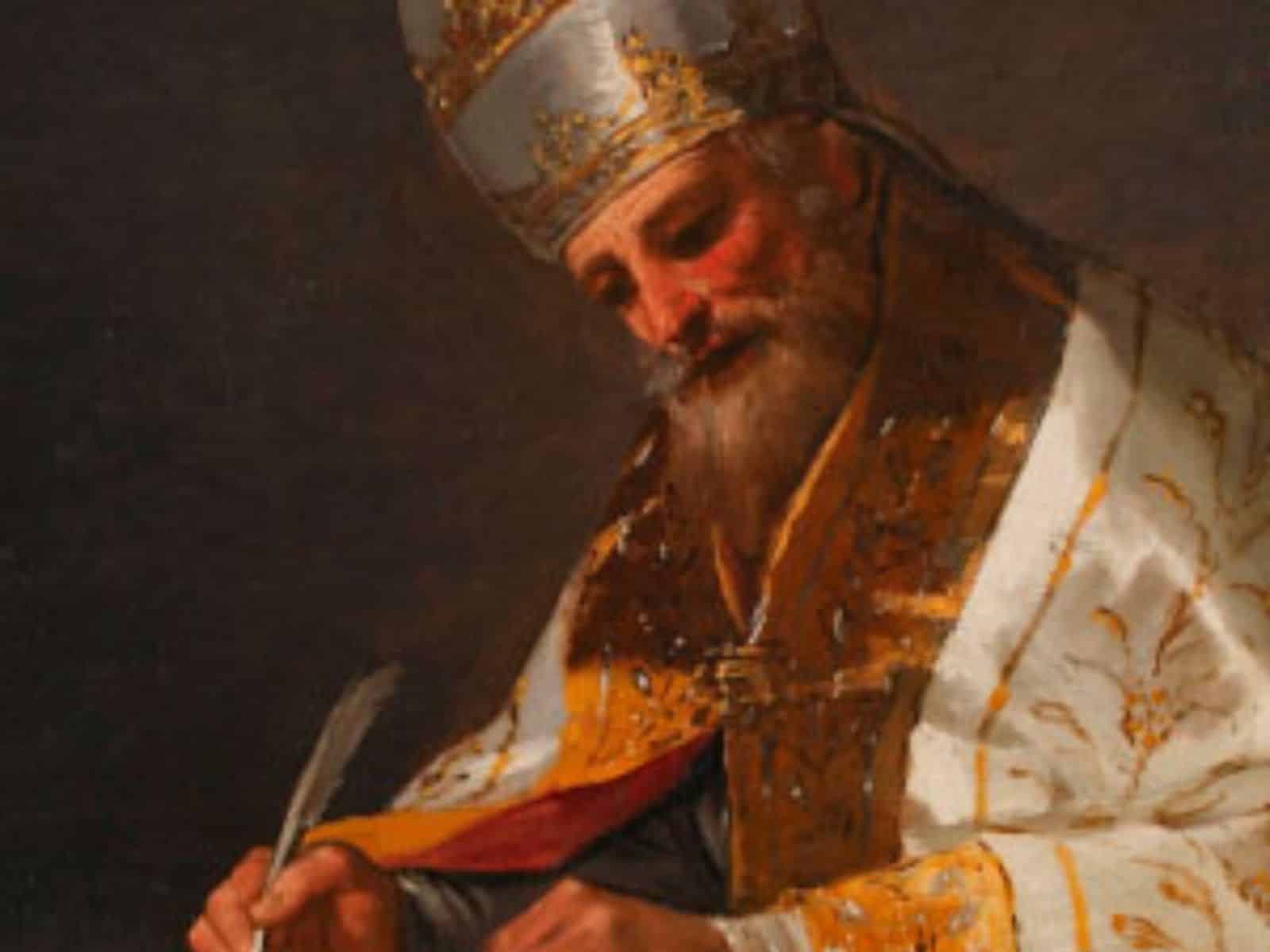
Saint Gregory the Great
Saint Gundisalvus of Amarante

Saint Henry II
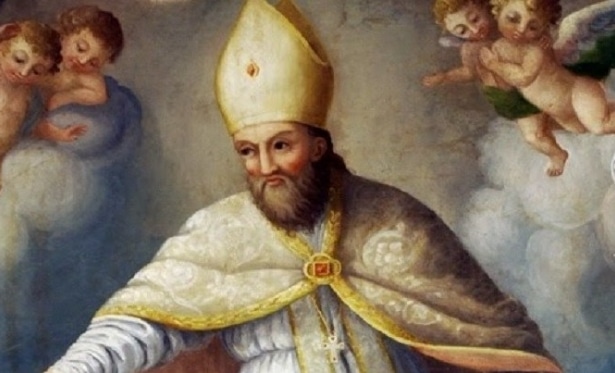
Saint Hilary of Poitiers

Saint Hyginus, Pope

Saint Ignatius of Antioch
Saint Ignatius of Loyola

Saint Ildefonso, bishop

Saint Isidore
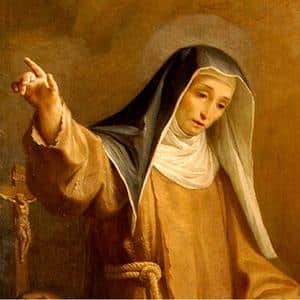
Saint Jacinta Marescotti
Saints of the Catholic Church
The Catholic Church has a long history of saints who inspire and guide Christians in their faith. From the first martyrs of Christianity to the most recent saints, these men and women have been recognized by the Church as models of virtue and examples of Christian life. Many of them faced challenges, suffered persecution and even martyrdom because of their faith.
Saints are venerated by the Church as intercessors before God, and their lives are a testimony to God’s grace and the power of his word. Their stories are a source of inspiration for Christians of all times and can help us grow in faith and follow Christ’s example.
On this page, you will find a complete list of all the saints of the Catholic Church. Explore the lives of these holy men and women and discover how they inspire us on our own spiritual journey.
How many saints are there?
Currently there are more than 20 thousand saints and blesseds officially recognized by the Catholic Church, but the real number may be innumerable.
What is the canonization process like?
Summary of the Canonization Process:
The process of canonization is a significant path within the Catholic faith to recognize a person’s holiness. This process, divided into 14 stages, culminates in the Church declaring someone a saint. Here is a summary of the main steps in this process:
1. Beginning of the Process: The process begins with the recognition of the candidate’s virtues or martyrdom.
2. Investigation of Life: A postulator is appointed to thoroughly investigate the candidate’s life, verifying his reputation for holiness.
3. Cause of Beatification: Once authenticity is proven, the bishop begins the process of the cause of beatification.
4. Episcopal Conference: The process is sent to the episcopal conference for approval.
5. Vatican Approval: The Vatican begins the process after approval by the episcopal conference.
6. Servant of God: After verification of sources and approval from the Vatican, the candidate is called “Servant of God”.
7. Analysis of the Cause: A commission of experts verifies the cause of the Servant of God.
8. Recognition of Heroic Virtues: The Vatican recognizes the heroic virtues of the Servant of God.
9. Venerable: The Servant of God receives the title “Venerable” after recognition of virtues.
10. First Miracle: Intercession for a miracle is proven.
11. Papal Opinion: The miracle is sent to the Pope for his opinion.
12. Beatification: With papal approval, the Venerable is beatified and called “Blessed”.
13. Second Miracle: A second miracle is proven.
14. Canonization: The Pope canonizes the Blessed, granting him the title of “Saint”.
The canonization process is a rigorous journey that celebrates the lives and holiness of those who lived according to the tenets of the Catholic faith. It is a testimony to the possibility of everyone seeking holiness in their lives.