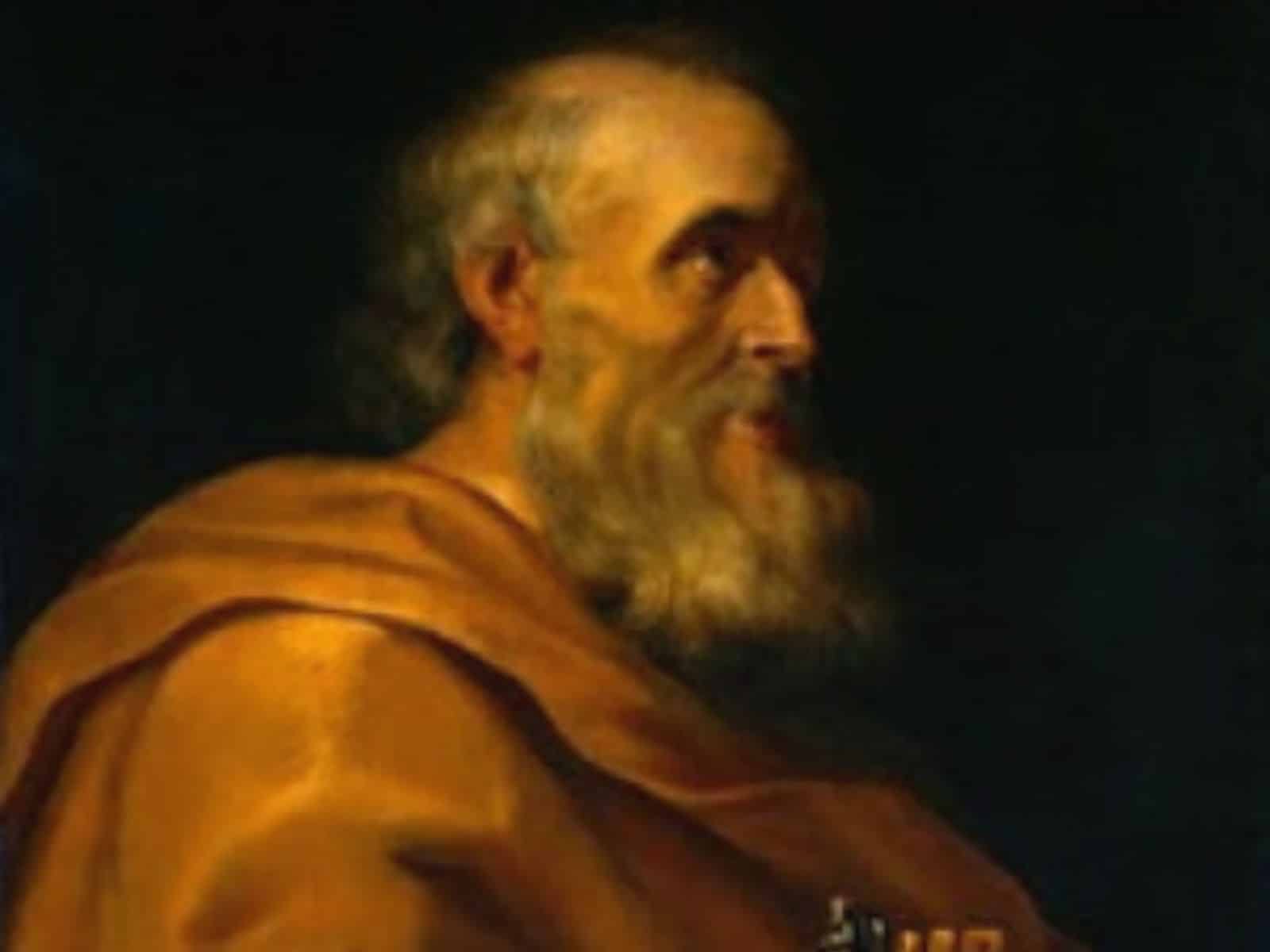
Saint Zeferinus, Pope
Saint Zeferino, also known as Pope Zeferino, was an important leader of the Catholic Church in the 3rd century. During his pontificate, which lasted around 20 years, he faced several challenges, including the modalist heresy, which distorted the relationship between the Father and the Son. His wisdom and guidance from the Holy Spirit were fundamental in combating heresies and ensuring the unity of the Christian faith.
The Pontificate of Saint Zeferinus and the Modalist Heresy
Saint Zeferino ascended to the papacy in the year 199, in a period of intense persecution of Christians, under the government of Emperor Septimius Severus. One of the main challenges he faced was the modalist heresy, a mistaken conception of the relationship between God the Father, God the Son and God the Holy Spirit. This heresy denied the distinction between the three persons of the Holy Trinity, treating them as mere manifestations or modes of action of a single God.
To combat this false doctrine, Saint Zeferinus summoned important wise men and theologians of the time, such as Saint Irenaeus, Hippolytus and Tertullian, to assist him in defending the true Christian faith. With the guidance of the Holy Spirit, he was able to dispel confusion and reestablish the doctrine of the Trinity, which is fundamental to understanding the mystery of the Christian faith.
The Legacy of the Catacombs of Callisto
In addition to his role in defending Christian orthodoxy, Saint Zeferinus is remembered for his important role in organizing the Roman catacombs. Faced with the prohibition of Christian burials in common cemeteries and the rejection of cremation, Pope Zeferino made a visionary decision.
He entrusted his deacon Callisto with the task of building an exclusive cemetery for Christians. Callisto began the construction of underground galleries, connecting tombs and creating a suitable space for Christian burials. These catacombs, located on the Appian Way, became known as the Catacombs of Callisto and became a sacred place for Christians at the time.
The catacombs served not only as a burial place, but also as a space for worship and veneration of Christian martyrs. This attitude of Saint Zeferino was of great importance, as it allowed Christians to practice their beliefs and pay tribute to those who gave their lives for faith, even in the face of adversities imposed by the Roman empire.
The End of the Pontificate and Martyrdom
The pontificate of Saint Zeferinus came to an end in 217, marked by a period of even more intense persecution imposed by Septimius Severus. The emperor banned the activities of the Catholic Church and deepened the repression of Christians, resulting in the martyrdom of many believers, including Pope Zeferinus and Bishop Saint Irenaeus.
Both were martyred because of their faith, and Saint Zeferino was buried in a chapel in the catacombs that he himself had built. His dedication to the Church and his courageous defense of Christian doctrine left a lasting legacy, continuing to inspire the faithful throughout the centuries.
Conclusion
Saint Zeferinus was a wise Pope enlightened by the Holy Spirit, whose pontificate was marked by confronting heresies and persecution of Christians. His role in organizing the Catacombs of Callisto, in addition to enabling dignified burial for Christians, created a sacred space for worship and devotion to the martyrs.
The figure of Saint Zeferino is remembered in the history of the Church as an example of firm and loving leadership, who guided the faithful with wisdom and courage in difficult times. His legacy endures in the catacombs that are still visited today as a testimony to the unshakable faith of those who faced adversity in the name of Christ. The life and martyrdom of Saint Zeferino remind us of the importance of remaining faithful to our faith, even in the face of the greatest difficulties, and of always seeking truth and unity within the Church.