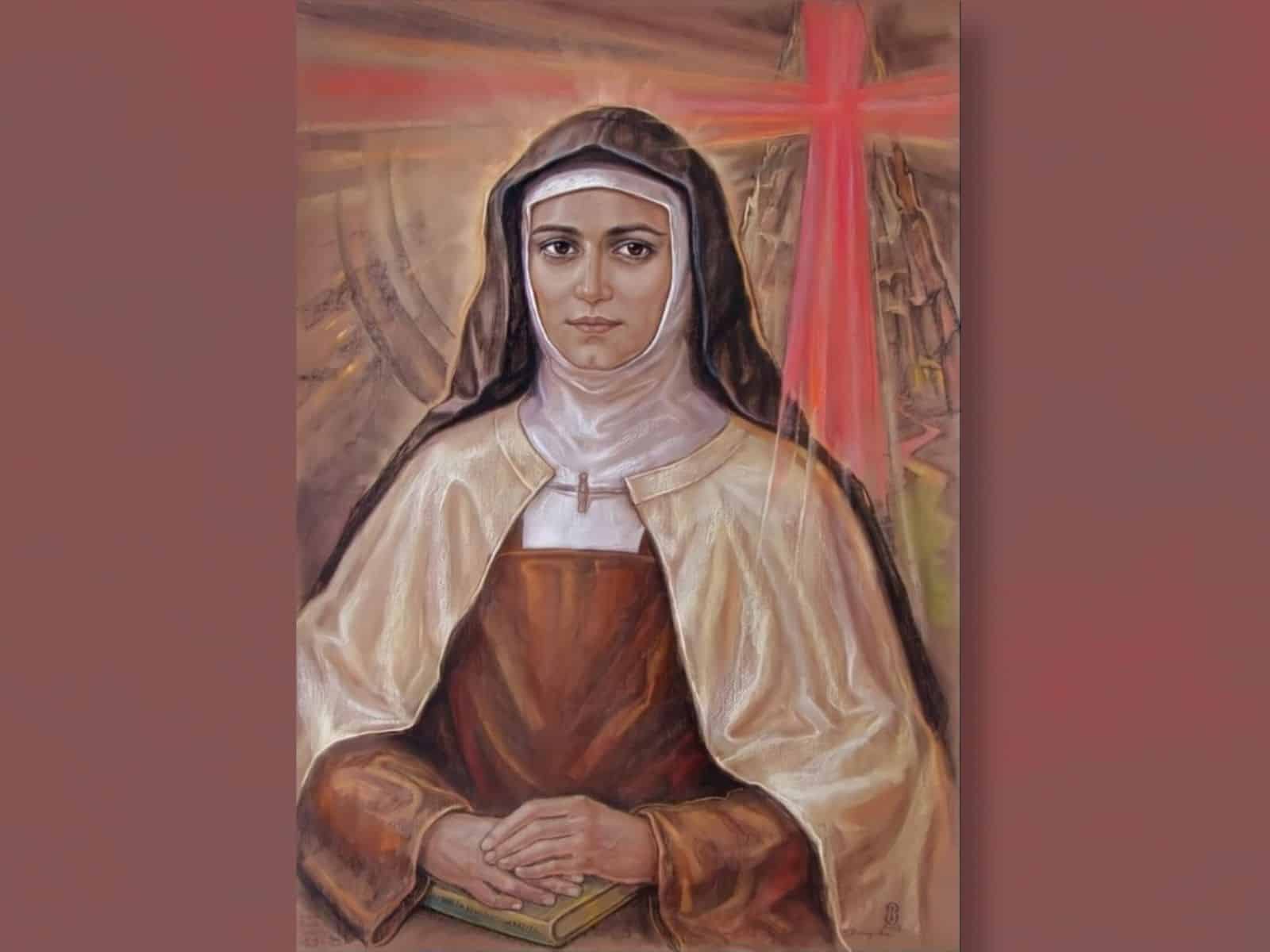
Saint Teresa Benedicta of the Cross (Saint Edith Stein)
Saint Edith Stein, also known as Saint Teresa Benedita of the Cross, was a notable figure in the 20th century. His life of conversion, sacrifice and search for truth inspired and continues to inspire people around the world.
Origins and Formation
Edith Stein was born on October 12, 1891, in Wroclaw, Lower Silesia, Poland. She was the 11th daughter of a devout Jewish couple, Félix de Gusmão and Joana d'Aza. Unfortunately, her father passed away when she was still very young, leaving her mother to raise her children in the Jewish faith.
From an early age, Edith stood out for her brilliant intelligence and love of knowledge. She dedicated herself to her studies, especially philosophy, and entered the University of Breslau. The search for truth and the desire to understand the world were outstanding characteristics of his personality.
Conversion and the Search for Truth
During her youth, Edith faced a spiritual crisis and turned away from God. However, her search for answers led her to a transformative encounter. In 1921, she read Saint Teresa of Ávila's autobiography in just one night. This encounter with the life and spirituality of Saint Teresa awakened something deep in his heart. Edith stated: “When I closed the book, I said to myself: this is the truth”.
From that moment on, his life changed drastically. In 1922, against her parents' wishes, Edith received Baptism and Confirmation, becoming Catholic. However, it is important to note that she never disowned her Jewish roots and maintained a deep appreciation for her family's cultural heritage.
Religious Life and Dedication to Carmel
After her conversion, Edith Stein felt a strong call to religious life. She entered the Order of Carmelites in Cologne in 1934, taking the name Teresa Benedita da Cruz. Her spiritual and intellectual journey led her to a deep understanding of the relationship between faith and reason.
As a Carmelite Sister, Edith Stein dedicated herself to prayer, contemplation and academic studies. His brilliant intelligence and sharp mind were channeled to serve God. She became a respected teacher and at the same time lived a life of deep spirituality.
Nazi Persecution and Martyrdom
Unfortunately, the rise of Nazism in Germany brought dark times for Edith and her religious community. With the persecution of German Jews intensifying, she and her sister Rosa, who had also converted to Catholicism and was a nun, were transferred to the Carmel of Echt, in the Netherlands.
The Catholic bishops of the Netherlands spoke out against the deportations of Jews, which triggered reprisals from Hitler. As a result, in 1942, Edith and Rosa were arrested by the Nazis and sent to the Auschwitz concentration camp.
Despite the terrible conditions of the concentration camp, Edith Stein kept her faith unshakable. She cared for imprisoned children and taught the Gospel to prisoners. On August 9, 1942, she and her sister Rosa were taken to the gas chambers of Auschwitz and died as martyrs for the faith.
The Legacy of Saint Teresa Benedita of the Cross
Edith Stein's life and sacrifice left a lasting impact on the world. His search for truth, his conversion to Christianity and his courage in the face of Nazi persecution are inspiring examples of faith and hope.
In 1998, Pope John Paul II canonized Edith Stein as Saint Teresa Benedicta of the Cross. His holiness is recognized by his dedication to God, his tireless search for truth, and his testimony of love and compassion, even in the midst of the most dire circumstances.
Saint Teresa Benedita da Cruz is considered a co-patron saint of Europe, an example of tolerance, acceptance and universal respect. His thought and philosophical and mystical works continue to inspire scholars and believers around the world.
In times of uncertainty and divisions, the legacy of Saint Teresa Benedita da Cruz reminds us of the importance of the search for truth, reconciliation between cultures and the defense of fundamental values that respect the dignity and sanctity of every human person. May your life and sacrifice continue to inspire and guide future generations towards a more just, loving and supportive society.