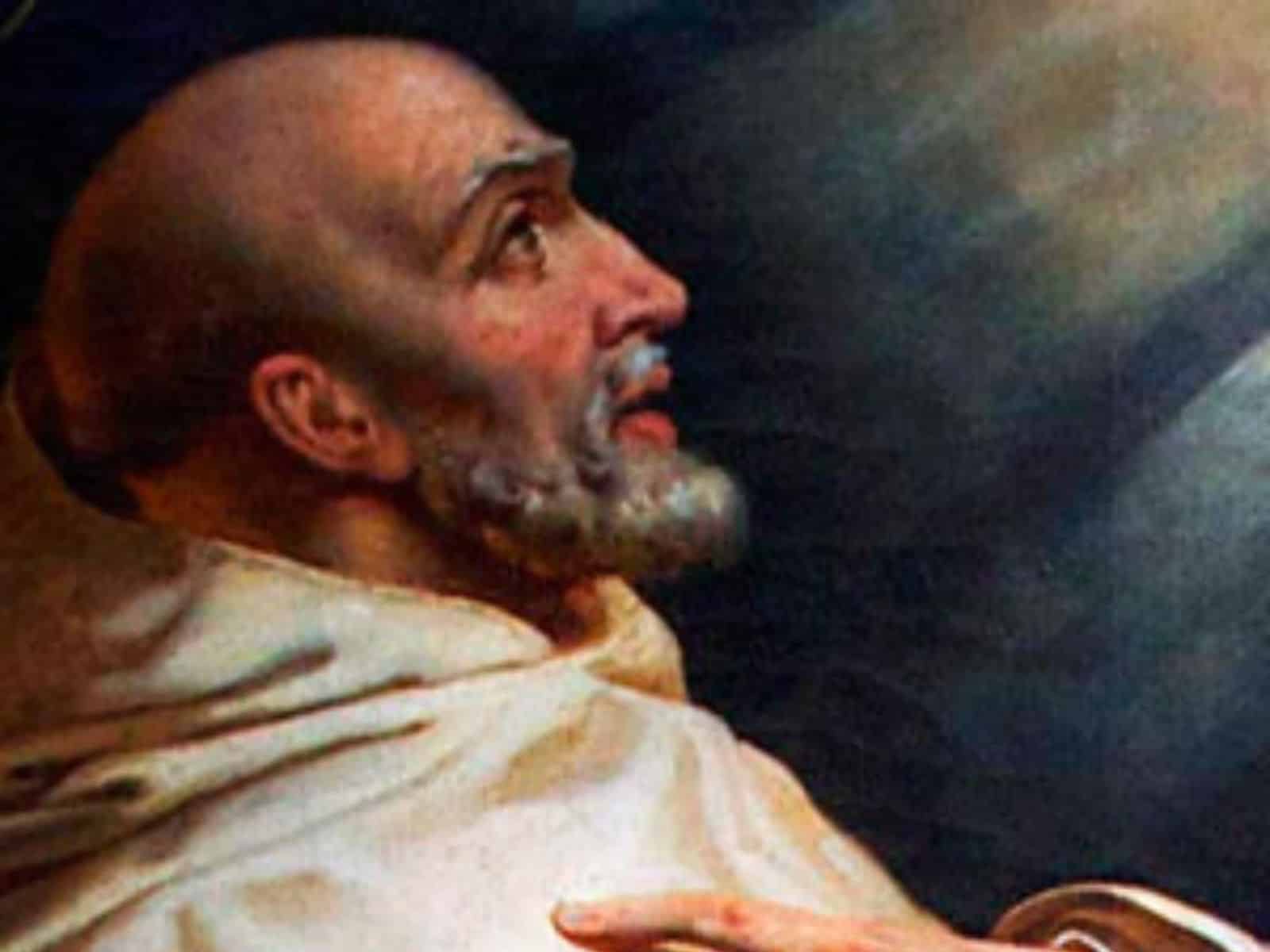
Saint Bernard of Clairvaux
Saint Bernard of Clairvaux, a saint who lived in the 12th century and had a significant impact on the history of the Catholic Church. Born in 1090, in Fontaines, France, Bernardo belonged to an opulent family. At the age of 22, he followed his religious vocation and entered the Monastery of Cistercium, also known as the Cistercian.
The Foundation of the Monastery of Claraval
A few years after joining the Cistercian Monastery, Bernardo founded his own monastery in Claraval, together with twelve companions, including his brothers, uncle and cousin. His example of devotion and religious life inspired many of his relatives to follow the same path. Bernardo's monastic life was based on three pillars: work, contemplation and prayer. He considered Jesus and Mary as guiding stars for his spiritual path.
The Four Steps of Love
Bernardo wrote “De diligendo Deo,” where he described the four steps to attain divine love. First, the love of self, leading to the search for God. Then, God's love for you, developing a personal relationship with Him. On the third step, God's love for yourself, loving you not for yourself, but for His divine essence. Finally, the fourth step is the love of oneself for God, forgetting oneself to be united with Him.
Bernardo and the Order of the Templars
Another important aspect of Bernardo's life was his praise of the Order of the Templars, a monastic-military Order founded in 1119. He described the Knights of the Temple as simple and devout men, whose faith in God strengthened them before battle. His influence helped promote the development of that Order.
The Legacy of Saint Bernard
Bernardo was instrumental in the founding of the Cistercian Order and influenced several generations of saints through his sermons and theological writings. His affection for Christ's humanity and devotion to Mary are evident in his words. His holiness was recognized by the Church, and he was canonized in 1174.
The Encyclical “ Doctor Mellifluus ”
In honor of Saint Bernard, Pope Pius XII dedicated the encyclical “Doctor Mellifluus” to him, highlighting his intellectual and spiritual abilities and the heavenly gifts granted by God. Bernardo left a lasting legacy in the history of the Church, and his devotion to Jesus and Mary continues to inspire millions of believers.
The Death of Saint Bernard
Saint Bernard died on August 20, 1153, but his influence continues to this day. His example of monastic life, devotion to God and love for others made him a beloved and venerated figure in the Catholic Church. His feast day is celebrated on August 20th, reminding everyone that the search for divine love is a journey worth taking. The life of Saint Bernard of Clairvaux continues to teach us valuable lessons of humility, love and spirituality. Their devotion to Jesus and Mary, as well as their lasting impact on the history of the Church, ensure that their memory remains alive in the hearts of the faithful throughout the world.