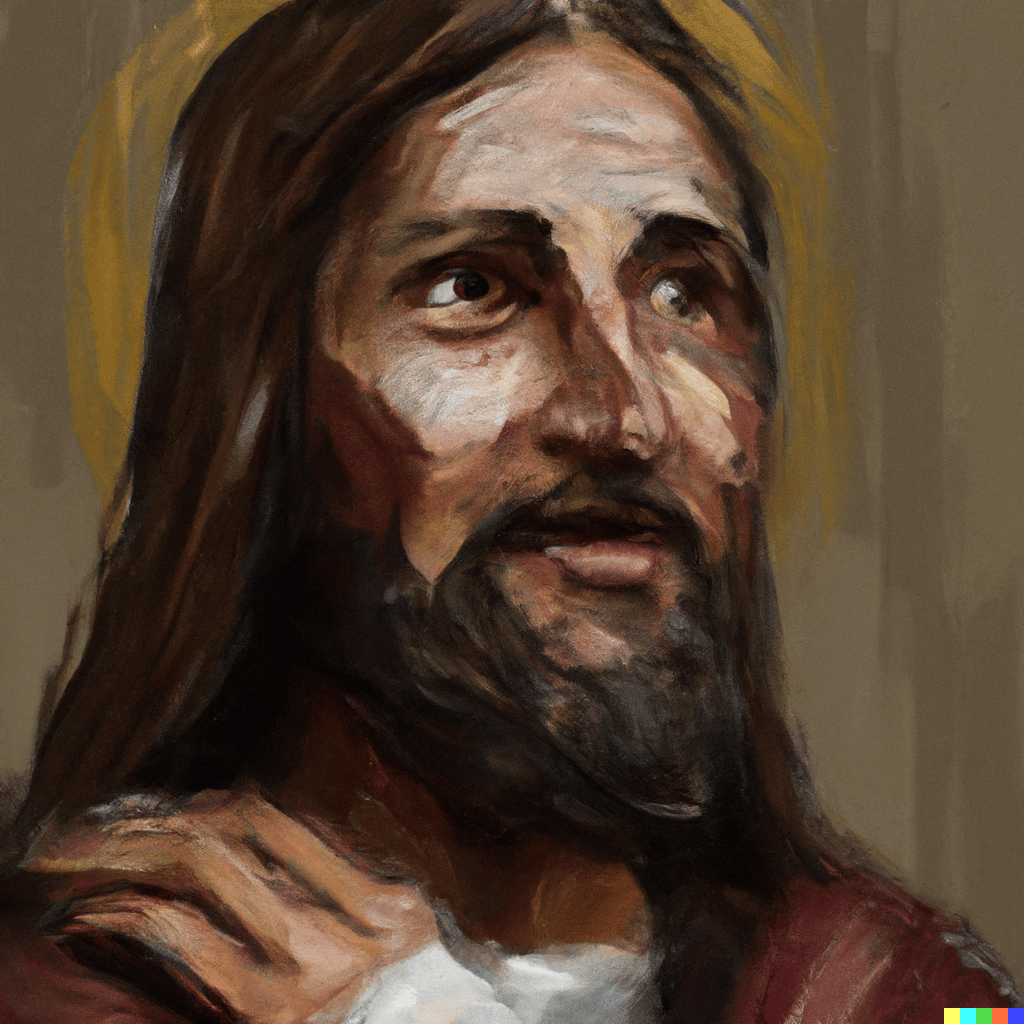
Saint Gregory Nazianzen
Saint Gregory of Nazianzen was a great saint of the Catholic Church who lived between the 4th and 5th centuries and who contributed greatly to the consolidation of early Christianity. Born in 329 in the city of Nazianzen, Gregory was the son of a priest, which led him to follow the same calling. Over the course of his life, he became one of the greatest teachers of early Christianity, thus becoming one of the priests of the Catholic Church.
Life of Saint Gregory of Nazianzen
Gregory was the son of Saint Basil, who was a professor of theology and philosophy in Greece, and Emélia, a Christian woman. Gregory's parents raised their son with the highest standards of education, which helped him become a great Christian leader and preacher. Saint Gregory was born in 329 and was educated in the city of Nazianzen, where he studied Theology, Philosophy, History, Languages and Ethics.
After his study, Gregory moved to Constantinople, the capital of the Roman Empire, where he was ordained as a priest at the age of 27. During this period he published several books, some of which are still read today. He also engaged in numerous discussions and debates and contributed to the development of early Christianity.
Growth and Preeminence of Saint Gregory of Nazianzen
After his ordination, Gregory became a great Christian leader who attracted followers from across the Roman Empire. He made great contributions to the development of early Christianity and even managed to preserve the Christian faith during the persecution of the Romans.
Saint Gregory adopted a central position in the Catholic Church and helped establish the orthodoxy of the Christian faith. He was also known for his oratory and preaching style and his words were considered a major influence on Christian beliefs. Furthermore, he wrote several books, some of which are still cited as references in various ecclesiastical contexts.
Relevance of Saint Gregory of Nazianzen
His life, work and contributions to the Church were extremely important for the development of Christian doctrine, especially during the persecution of the Romans.
To this day, the contributions of Saint Gregory of Nazianzen are remembered and studied by Christian leaders and scientists. His literary works, teachings and principles are still extremely important for the Catholic Church and his legacy is still cited and studied to this day.